
This initiative was designed to empower key stakeholders in Dessie, Kombolcha, and South Wollo with the skills and tools to counter the rapid spread of online hate speech, misinformation, and disinformation.
Project Highlights: Resilient Voices – Key Activities
We focused on building local capacity and fostering a fact-based digital culture through the following core activities:
1. Fact-Checking Network Development
We established and trained a core group of local influencers to lead the fight against false information.
- Intensive Training Program: A three-month intensive training equipped 30 journalists, CSO leaders, youth influencers, and university students with hands-on skills in digital verification tools, data sourcing, and ethical reporting practices.
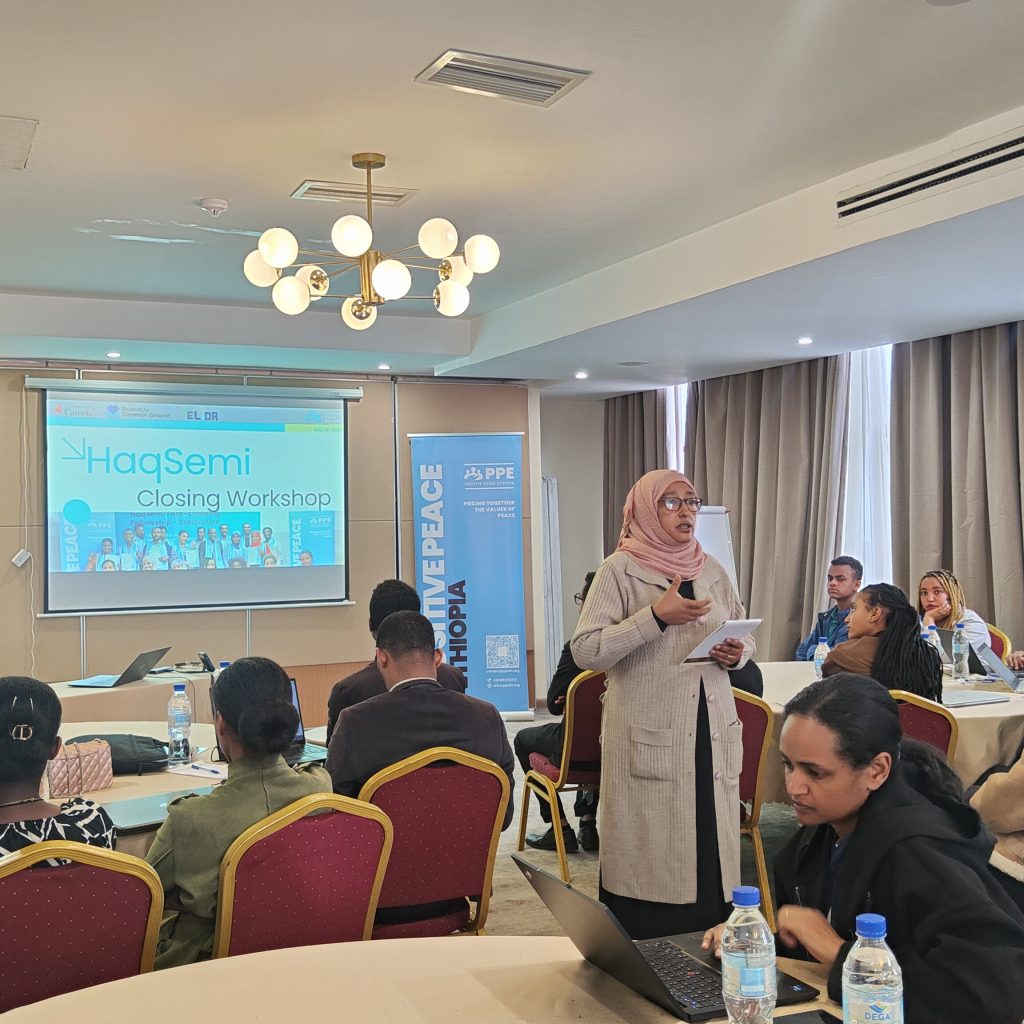
- Photo Opportunity: Trainees actively participating in a workshop, working in groups on laptops.
- Real-Time Fact-Checking: Trainees applied their new skills by producing and publishing evidence-based articles to counter trending misinformation themes.
- Photo Opportunity: A trainee being interviewed or presenting their published article.
- Community Outreach: Trained fact-checkers became knowledge multipliers by organizing and delivering three separate digital media literacy trainings to grassroots communities, high school, and university students.
- Photo Opportunity: Trainees teaching a smaller community group.
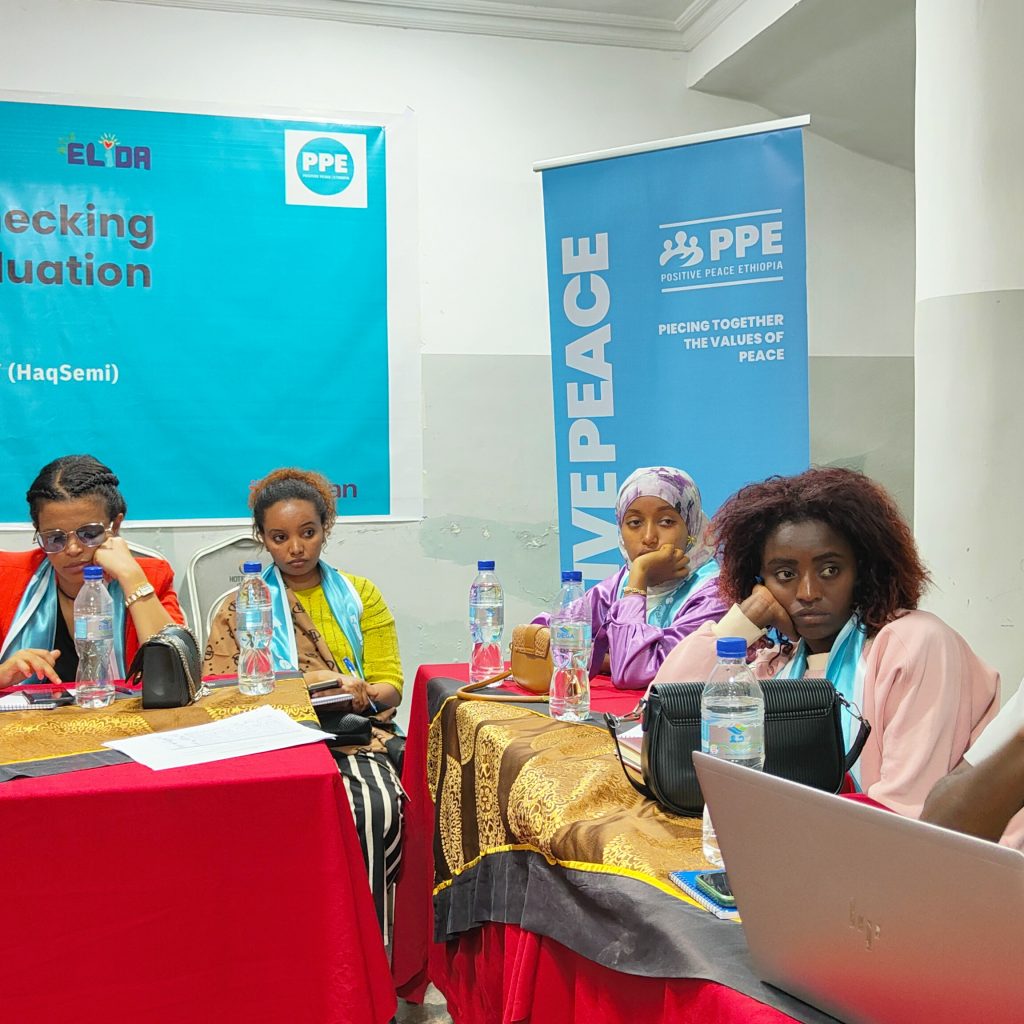
2. Conflict-Sensitive Training and Dialogue
We held training sessions to enhance communication skills and community resilience, with a focus on inclusion.
- Conflict Resolution and Hate Speech Mitigation: Interactive sessions were held focusing on de-escalation techniques, understanding the legal frameworks of hate speech, and practicing active listening.
- Inclusive Engagement: The program prioritized engaging women, girls, and persons with disabilities in these sessions to empower them as responsible digital citizens and agents of peace, ensuring at least 50% female participation.
- Photo Opportunity: Group discussions during the Conflict Resolution training, showcasing diverse participation.
- Ethical Journalism: Specialized training on Mis/Disinformation Detection and Ethical Journalism focused on identifying biased narratives and implicit biases in reporting sensitive topics like ethnicity and gender.
3. Open-Access Resources and Campaigns
We created sustainable resources and used public platforms to amplify positive narratives.
- Social Media Campaign: A three-month campaign was implemented to raise public awareness about the dangers of disinformation, promote responsible digital citizenship, and amplify positive narratives using visually engaging content, videos, and interactive posts.
- Fact-Checking Handbook: We developed and distributed a publicly available Fact-Checking Handbook for media professionals and community leaders, both digitally and in print, to serve as an essential reference tool.
- Policy and Data Report: The project culminated with the development and presentation of an Observatory Report on Social Media to stakeholders and policymakers, analyzing local disinformation trends to inform policy and public discourse.
4. Closing Workshop
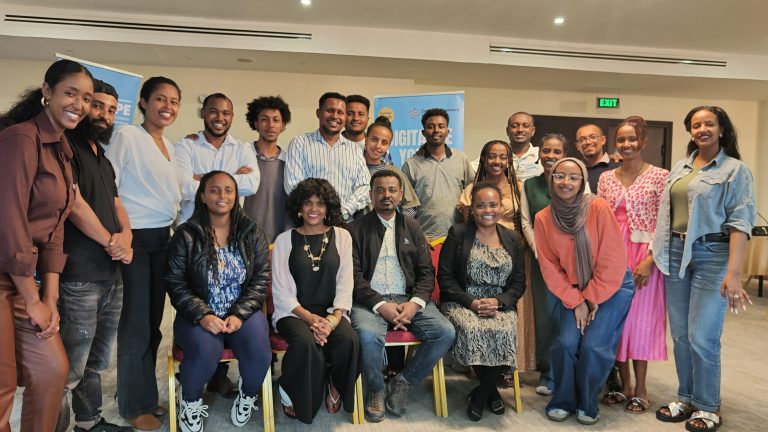
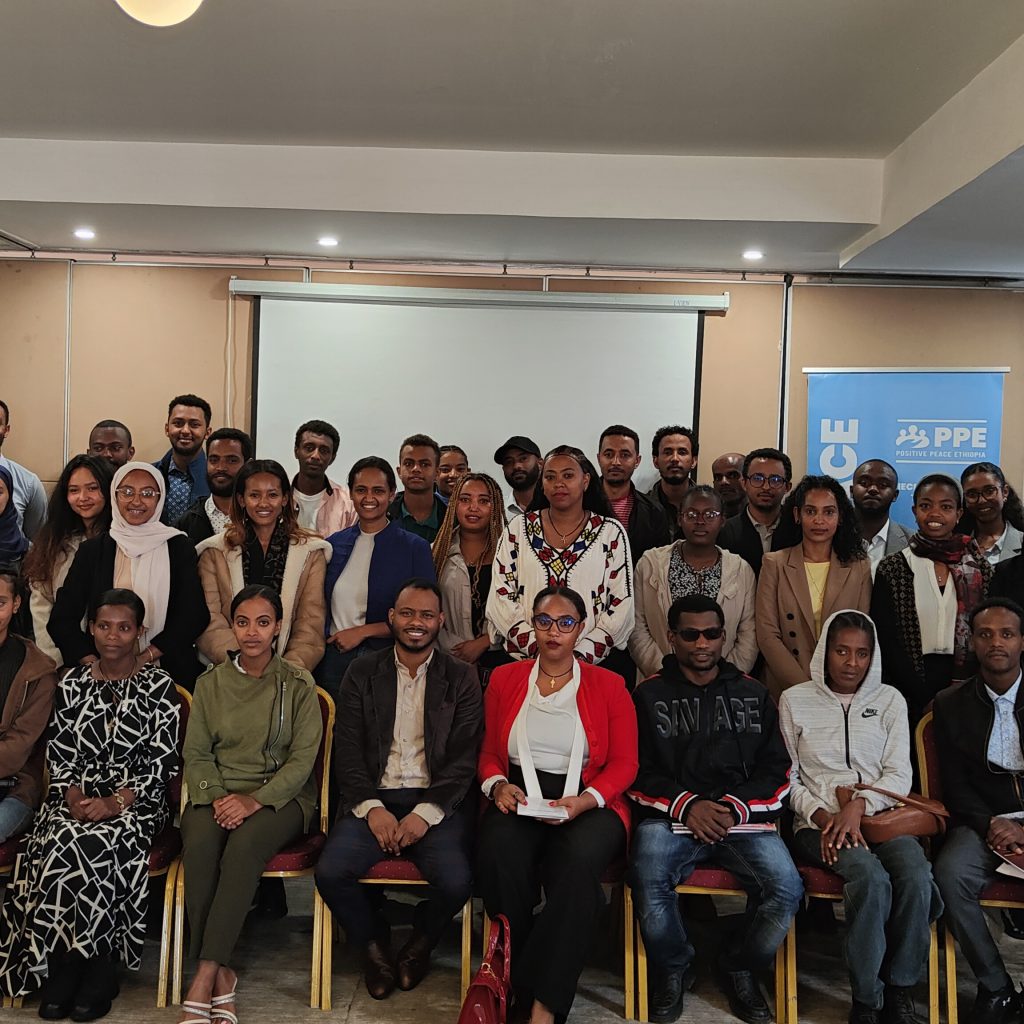
The project concluded with a final workshop in Addis Ababa, bringing together participants and high-level stakeholders, including government agencies like the Ministry of Peace and the Ethiopia Media Authority, to discuss findings and policy recommendations.